
Local SEO for Real Estate: How Builders Win the Map Pack

A buyer standing in Sector 70 types property dealer near me. Three businesses appear on a map above every other result. If you are not one of them, no amount of blog content or ad spend puts you there, because that block of results is governed by an entirely separate set of rules. Local SEO for real estate is the work of earning a place in it.
For a builder with a sales office, a broker with a shopfront, or a dealer working one micro-market, this is often the highest return unpaid channel available. It is also the one most Punjab firms have never deliberately worked on.
Here is what determines those results, what to fix first, and what is genuinely not worth your time.
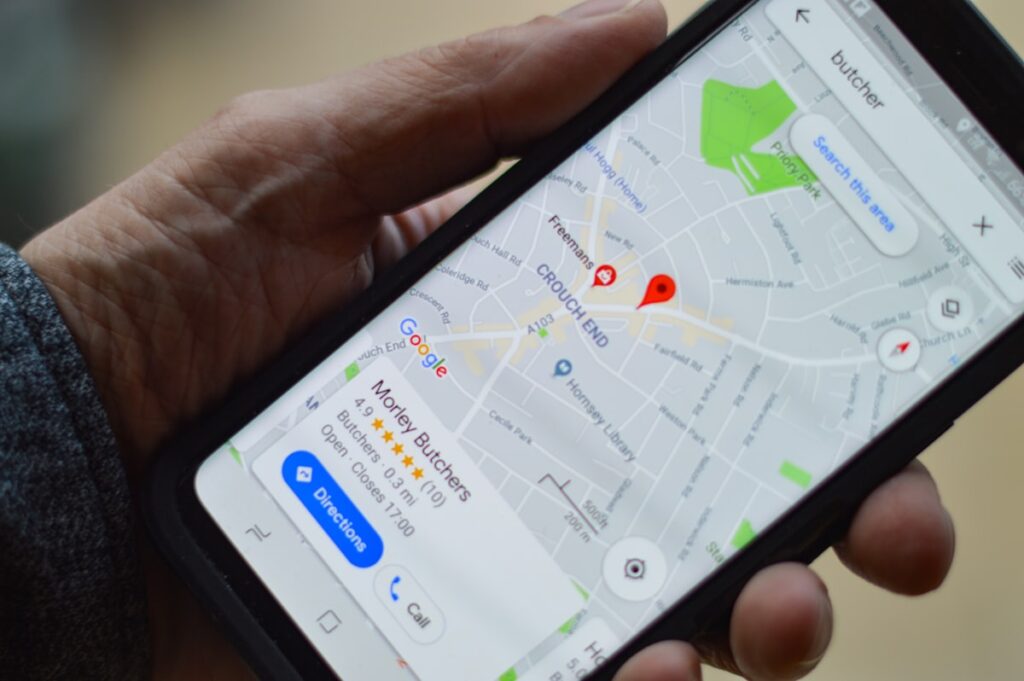
The map results are a different competition
Ordinary search results and map results are ranked on different inputs. A site can rank well for an informational query and be completely absent from the map block for a commercial one, and the reverse happens just as often.
The map block is built primarily around a verified business profile, its category, its proximity to the person searching, and the signals of legitimacy attached to it. Your website matters, but it is one input among several rather than the whole game. That is why the technical and content work we describe in why most Punjab real estate websites do not rank is necessary but not sufficient here.
Proximity is the part nobody can buy their way around. A searcher in Kharar and a searcher in Zirakpur see different results for the same words, which means a single office cannot dominate an entire district and you should be suspicious of anyone promising it will.
Getting the profile right
Google publishes the rules it expects businesses to follow in its guidelines for representing your business, and they are worth reading properly rather than guessing at, because several common practices in this industry breach them outright.
The ones that matter most for property firms:
- Verify the listing. An unverified profile is effectively invisible in competitive local results. Nothing else on this list matters until this is done.
- Choose the most accurate primary category. Real estate agency, property developer and construction company are treated as different businesses. The primary category carries far more weight than the secondary ones.
- Use your real business name. Stuffing keywords into the name field is a direct breach of the guidelines and is one of the easier things for a competitor to report.
- Keep the address and hours genuinely accurate. A staffed address during stated hours is the underlying requirement.
- Add real photographs regularly. Office, team, completed projects, site progress. Recent activity is a signal in itself.
- Answer questions on the profile yourself before somebody else answers them incorrectly.
Reviews are the lever, and the hard part
For property businesses, reviews are usually the difference between appearing and not appearing. They are also genuinely difficult in this market, because a happy buyer completes a transaction that took eight months and then never thinks about you again.
What works: asking in person at the moment of handover rather than by message weeks later, asking the specific buyer who thanked you rather than everybody indiscriminately, and making it a two-tap process with a direct link. What does not work, and carries real risk, is buying reviews or incentivising them. Both breach the platform rules, both are detectable, and the downside is losing the profile you spent a year building.
Reply to every review, including the difficult ones. A measured reply to a complaint is read by far more prospective buyers than the complaint itself, and it demonstrates something no marketing claim can.
What local SEO for real estate looks like on your website
| Element | What to do |
|---|---|
| Name, address, phone | Identical wording everywhere it appears online, down to the punctuation |
| Location pages | One genuine page per area you actually operate in, with real local detail |
| Contact page | Full address, embedded directions, staffed hours |
| Structured data | Mark up the business so search engines can read the details unambiguously |
| Project pages | Name the sector and landmarks the way local people actually say them |
The location pages point deserves a warning. Twelve near-identical pages with the area name swapped in is a pattern search engines handle poorly and buyers find useless. Build a page for a locality only if you can say something true and specific about it that a person there would recognise.

What is not worth your time
Mass directory submissions to hundreds of low quality sites. The value of citations comes from consistency across a handful of places people and search engines actually use, not from volume.
Posting to the profile daily. Regular posting is mildly useful. Daily posting is not, and the effort is better spent asking one more buyer for a review.
Chasing a ranking position as the goal. Map results vary by where the searcher is standing, so there is no single position to hold. Judge this channel on calls, direction requests and enquiries from the profile, in the same spirit as the measurement discipline in our 2026 lead generation playbook.
A ninety day plan you can actually run
The reason this channel gets neglected is that it has no deadline attached to it. Nothing breaks if you ignore it, so it waits. A dated plan removes that problem.
Days one to thirty. Claim and verify the profile if that has not been done. Set the primary category correctly and remove any keywords somebody has added to the business name. Standardise your name, address and phone wording everywhere it appears, including the website footer and any portal listings. Upload ten genuine photographs of the office, the team and completed work.
Days thirty-one to sixty. Build the review habit. Agree who asks, at what moment, and with what link, then ask every buyer who completes a handover. Write one locality page for the area you genuinely know best, with detail a resident would recognise as true.
Days sixty-one to ninety. Reply to every review received so far. Add a second locality page only if the first one earned its place. Then look at calls, direction requests and profile enquiries against where you started.
Ninety days is roughly the point at which local SEO for real estate stops being setup work and starts being a habit, and the habit is what compounds.
Frequently asked questions
How long does local SEO for real estate take to work? Verification and profile fixes can shift things within weeks. Review-driven improvement is a matter of months, because it depends on transaction volume you cannot rush.
Can I rank without a physical office? The map results are built around real premises. Without a genuine staffed address this is the wrong channel to invest in.
Should I create separate profiles for each project? Only where a project has its own permanently staffed site office. Duplicate profiles for one business cause more problems than they solve.
Do negative reviews sink you? A handful among many positive ones reads as authentic. A profile with only five star reviews and no replies reads as managed.
Related guides
- Analytics & Lead Tracking for Punjab Real Estate
- Real Estate SEO in India: How Property Websites Actually Rank
Want to know why you are not in the map results? Send us your business name and the searches you want to appear for, and we will tell you what is missing from the profile — free, no obligation.